Product Main Parameters
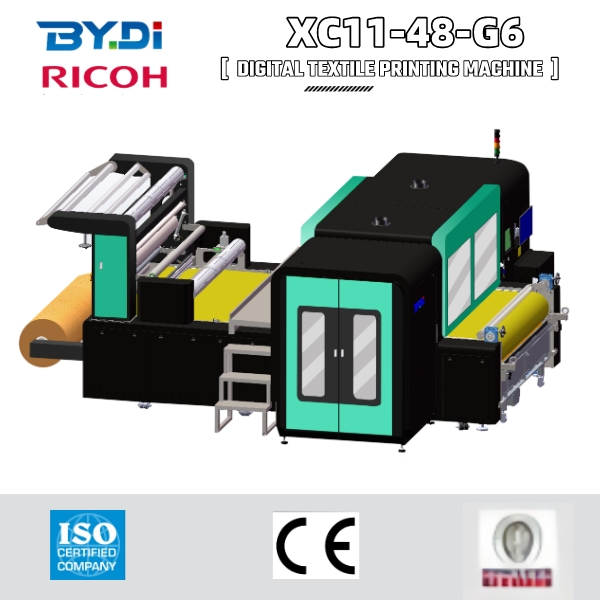
| Print Width | 1800mm/2700mm/3200mm |
|---|
| Max Fabric Width | 1850mm/2750mm/3250mm |
|---|
| Production Mode | 634㎡/h(2pass) |
|---|
| Ink Colors | CMYK, LC, LM, Grey, Red, Orange, Blue |
|---|
| Power Supply | 380VAC, three phase |
|---|
| Dimensions | Various based on width |
|---|
Common Product Specifications
| Printing Technology | Inkjet |
|---|
| Head Cleaning | Auto cleaning & scraping |
|---|
| Software | Neostampa, Wasatch, Texprint |
|---|
| Power Consumption | ≤25KW, extra dryer 10KW(optional) |
|---|
Product Manufacturing Process
Digital textile printing involves intricate processes utilizing advanced graphic design software and high-speed inkjet technology. Designs are digitally crafted and transferred to the machine, allowing precise control over spray micro-sized ink droplets onto fabrics. This high-tech method ensures vibrant color output with minimal environmental impact, thanks to water-based inks and reduced waste. Such technology harmonizes with the demands of a dynamic industry, promoting efficiency and sustainability in textile production.
Product Application Scenarios
Utilized globally, digital textile printing dominates the fashion, interior design, and home furnishing industries. Its capability to render complex designs economically garners favor among fashion designers, enabling quick adaptation to market trends with minimal stock. Interior design also benefits, allowing swift prototyping and customization of decor elements like upholstery and curtains. This technological advantage aligns with the fast-paced evolution of design preferences, offering boundless creative possibilities and mass customization for unique consumer experiences.
Product After-Sales Service
Our factory ensures comprehensive after-sales support including technical assistance, regular maintenance checks, and training sessions to optimize machine performance and longevity.
Product Transportation
Securely packaged for international transit, our Digital Textile Printing Machines are delivered to your factory with complete setup instructions and necessary installation kits to facilitate seamless assembly.
Product Advantages
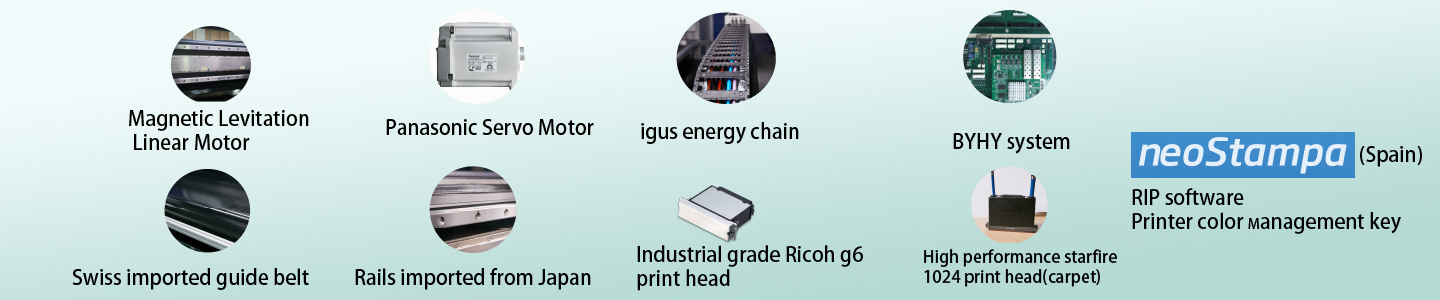
- High Quality: Imported parts ensure a robust, reliable machine.
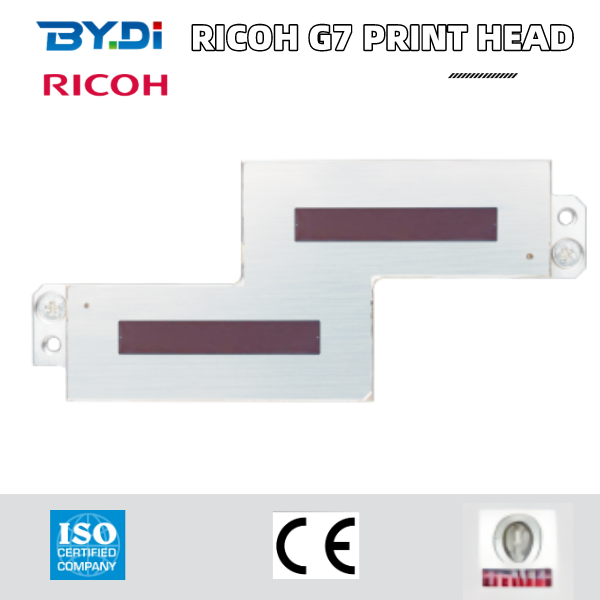
- Speed: Quick turnaround with high-speed Ricoh G6 heads.
- Versatility: Handles diverse fabrics with precision.
- Eco-Friendly: Uses water-based inks, reducing environmental impact.
Product FAQ
- What types of inks are compatible? Our factory Digital Textile Printing Machine is compatible with reactive, disperse, pigment, acid, and reducing inks.
- How often does the machine require maintenance? Routine maintenance checks are recommended every few months to ensure optimal performance.
- Is the machine suitable for all fabric types? Yes, it supports a wide range of fabrics including cotton, silk, polyester, and blends.
- How can I address ink blockages? The machine's auto cleaning system effectively minimizes ink blockages, maintaining smooth operation.
- What is the lifespan of the print heads? With proper care, Ricoh G6 heads have a significantly long operational lifespan.
- Can this machine handle mass production? Designed for industrial use, it efficiently manages both large and small production runs.
- Do you provide installation services? Yes, our team offers comprehensive installation and training support.
- What is the warranty period? The machine comes with a one-year warranty covering parts and labor.
- Is it energy efficient? Our machine is engineered for reduced power consumption, aligning with eco-friendly practices.
- How does it ensure print accuracy? The magnetic levitation motor and high-quality components ensure consistently precise print output.
Product Hot Topics
- Technological Advances in Textile Printing The introduction of digital textile printing machines has revolutionized the textile industry, offering unmatched precision and versatility. Factories can now produce complex designs with ease, leading to an emergence of innovative fashion and interior design applications. These machines are hailed for their role in promoting sustainable practices by reducing waste and energy consumption. As technology evolves, the potential for further advancements remains vast.
- Comparing Traditional and Digital Textile Printing Traditional methods like screen printing require multiple steps and are labor-intensive, whereas digital textile printing offers streamlined, efficient processes. The transition to digital has empowered factories to produce smaller, customized batches without the need for extensive setup, saving both time and resources. This efficiency, coupled with high-quality output, has positioned digital textile printing as a preferred choice in modern textile manufacturing.
- The Impact of Digital Printing on Fashion Design Digital textile printing has unlocked new possibilities for fashion designers, enabling rapid prototyping and endless customization. Factories equipped with these machines can produce bespoke designs on-demand, meeting the growing consumer desire for personalized apparel. The flexibility and speed offered by digital textile printing machines make them invaluable tools in the ever-evolving fashion landscape.
- Sustainability in Textile Manufacturing As environmental concerns intensify, factories are turning to digital textile printing machines to minimize ecological footprints. These machines use less water and energy and support the use of eco-friendly, water-based inks. By reducing waste and emissions, digital textile printing aligns with global initiatives toward sustainable manufacturing practices.
- Challenges in Adopting Digital Textile Printing While digital textile printing presents numerous advantages, factories must consider initial investment costs and the learning curve associated with new technology. However, the long-term benefits of faster production times and reduced operational costs often outweigh these initial hurdles, making digital adoption a worthwhile consideration.
Image Description