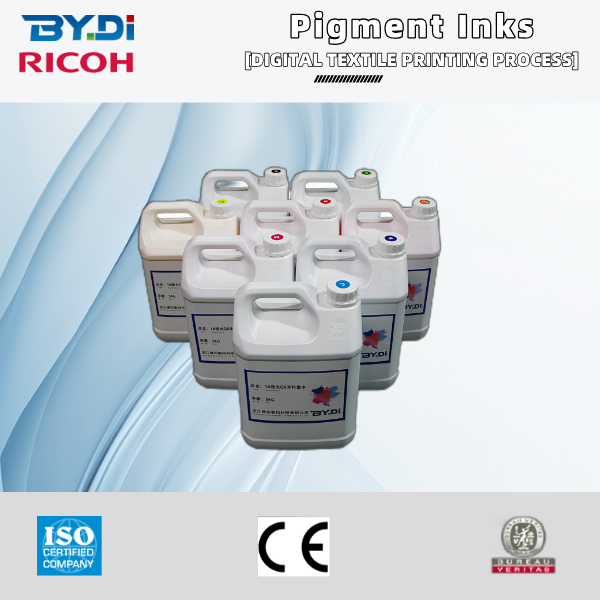


Introduction to High Temperature Disperse Inks
In the dynamic world of textile printing, high temperature disperse inks have emerged as a key player. These inks are specifically formulated for sublimation printing, ensuring that vibrant colors penetrate deeply into the fabric, resulting in long-lasting and vivid prints. This article delves into the intricacies of high temperature disperse inks, offering guidance on selecting the right ink solutions for textile applications.
● Overview of High Temperature Disperse Inks
High temperature disperse inks are used predominantly in polyester and synthetic fabric printing. Their unique formulation allows them to withstand the high temperatures needed for sublimation, ensuring the dye sublimates effectively onto the fabric. This method not only enhances color vibrancy but also ensures durability, making them indispensable in textile manufacturing.
● Importance in the Textile Industry
The textile industry relies heavily on these inks for producing high-quality printed fabrics. From fashion items to home textiles, high temperature disperse inks are at the forefront, providing creative designers the ability to translate their visions into reality. The adaptability of these inks across various textile forms underscores their significance.
Understanding Disperse Ink Chemistry
● Composition of Disperse Inks
Disperse inks are typically composed of a water-based solution with pigments finely dispersed in it. The pigments chosen are capable of sublimating at the high temperatures required for textile printing. This composition is crucial for achieving the desired color penetration and adherence on synthetic fibers.
● How Heat Affects Disperse Inks
Heat plays a pivotal role in the sublimation process, as it converts the solid dye particles into gas, allowing them to bond with the polymer molecules within the fabric. This high-temperature process ensures that the dye becomes an integral part of the fabric, resulting in a print that is resistant to fading and washing.
Advantages of High Temperature Disperse Inks
● Durability and Color Retention
One of the primary benefits of using high temperature disperse inks is their superior durability. The sublimation process ensures that the colors are not merely printed on the surface but embedded within the fabric, offering excellent resistance to fading from washing or exposure to sunlight.
● Suitable Fabrics for High Temperature Inks
These inks are best suited for synthetic fibers, especially polyester. The chemical structure of synthetic fibers allows them to bond effectively with the dyes, resulting in vibrant and long-lasting prints. Other fabrics may not provide the same depth of color or durability when used with disperse inks.
Key Considerations in Ink Selection
● Fabric Compatibility
Selecting the right ink involves understanding the type of fabric being used. High temperature disperse inks are ideal for polyester and blends that contain a significant percentage of synthetic materials. Using the correct ink for the fabric ensures optimal results in terms of print quality and longevity.
● Fastness Properties and Performance Metrics
When choosing disperse inks, it is essential to consider their fastness properties, which include resistance to washing, light, and abrasion. These metrics help determine the ink's performance in various applications, ensuring that the printed textiles can withstand real-world conditions.
Comparing High Temperature Inks with Other Inks
● Differences with Reactive and Pigment Inks
High temperature disperse inks differ significantly from reactive and pigment inks. Unlike reactive inks, which are best suited for natural fibers, disperse inks excel with synthetic fabrics. Pigment inks, on the other hand, do not penetrate the fabric as deeply, potentially affecting durability.
● Advantages and Limitations
While high temperature disperse inks offer exceptional results with synthetics, they are not suitable for natural fabrics. Understanding these limitations is crucial for manufacturers and designers aiming to produce high-quality textiles using the right type of ink for each fabric.
Ink Application Techniques
● Traditional vs. Digital Textile Printing
The choice between traditional and digital printing methods can impact the quality of prints produced with high temperature disperse inks. Digital textile printing offers precision and flexibility, allowing for intricate patterns and designs, while traditional methods might be more suitable for large-scale, repetitive patterns.
● Impact of Application Method on Ink Performance
The method of application affects the final quality of textile prints. Digital printing, in particular, allows for precise control over the amount of ink used, ensuring consistent color and quality. It also reduces waste, making it a more environmentally friendly option.
Innovative Trends in Textile Printing
● Latest Developments in Disperse Ink Technology
Advancements in disperse ink technology have led to the development of inks that offer even greater vibrancy and durability. Innovations focus on improving the environmental impact of inks, with sustainable solutions gaining traction in the printing industry.
● Eco-friendly and Sustainable Options
The demand for sustainable printing solutions is growing, and eco-friendly high temperature disperse inks are at the forefront of this shift. Manufacturers are now offering inks that minimize environmental impact without compromising on quality, aligning with global sustainability goals.
Challenges in Using High Temperature Disperse Inks
● Common Issues and Troubleshooting
Despite their benefits, users may encounter challenges when using high temperature disperse inks, such as ink bleeding or fabric shrinking. Understanding these issues and having strategies to address them is crucial for maintaining high-quality production standards.
● Solutions to Technical Problems
Technical problems can often be resolved through proper training and understanding of the printing equipment and materials. Regular maintenance of machinery and quality checks on the inks can prevent many issues, ensuring smooth operation and high-quality outputs.
Case Studies and Industry Examples
● Success Stories from Textile Manufacturers
Numerous textile manufacturers have successfully integrated high temperature disperse inks into their processes, resulting in products that are both aesthetically pleasing and durable. These case studies highlight the transformative impact of using the right ink solutions.
● Lessons Learned from Real-world Applications
Real-world applications provide invaluable insights into the practical use of disperse inks. Sharing these experiences helps manufacturers and designers understand best practices and avoid common pitfalls in textile printing.
Future of Textile Printing with Disperse Inks
● Emerging Markets and Applications
The future of textile printing with disperse inks looks promising, with new markets emerging for customized and high-performance textiles. These inks are essential for meeting the growing demand for personalized and diverse fabric designs.
● Predictions for Technological Advancement
Technological advancements in ink formulations and printing techniques are expected to continue, offering improved performance and environmental benefits. As these innovations evolve, high temperature disperse inks will play a crucial role in shaping the future of textile manufacturing.
Company Profile: BYDI
Beijing Boyuan Hengxin Technology Co., Ltd., under the brand BYDI, stands as a leader in industrial inkjet printing control systems. With over 20 years of expertise, BYDI excels in innovation and quality, offering cutting-edge digital printing solutions for textiles and other industries. Its subsidiary, Zhejiang Boyin (Hengyin) Digital Technology Co., Ltd., specializes in digital printing equipment and comprehensive application solutions, ensuring high-performance products for global markets. With a focus on research, development, and customer-centric service, BYDI drives technological advancements in the printing industry, adhering to its mission of "innovation first, quality first, service-oriented."