

Introduction
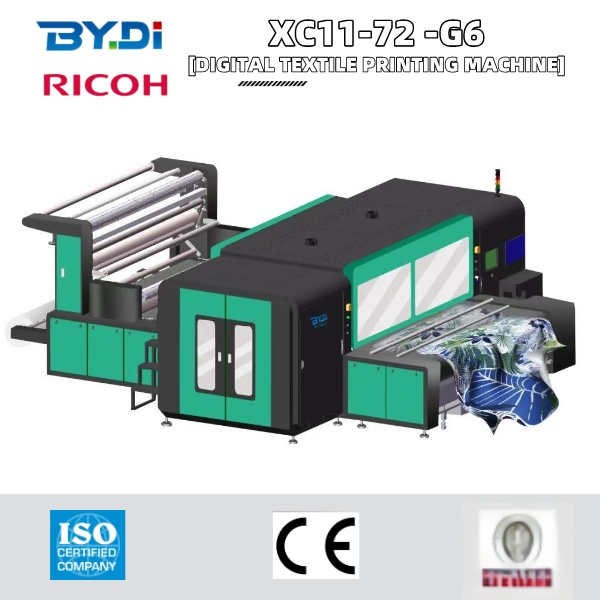
Digital printing on non woven fabric is revolutionizing the textile industry by offering more efficient, flexible, and cost-effective solutions. This innovative approach reduces waste, lowers inventory requirements, and shortens production lead times. Whether it's a Digital Printing On Non Woven Fabric manufacturer or a Wholesale Digital Printing On Non Woven Fabric supplier, industry players are increasingly recognizing the value of digital technologies. This article explores the myriad ways digital printing on non woven fabric can save costs, with a special focus on how these methods are implemented in factories and supply chains, including those in China.
Waste Reduction Through Digital Printing
● Minimizing Material Waste
Traditional printing methods often result in significant material waste due to inefficient processes and the necessity of large batch sizes. Digital printing on non woven fabric, however, allows for precise ink placement and smaller print runs, which minimizes waste. This technology ensures that only the required amount of fabric and ink is used, aligning well with sustainable practices.
● Streamlining the Production Process
Digital printing eliminates the need for multiple steps typically associated with conventional printing, such as preparing screens or plates. This streamlining of processes not only reduces waste but also improves production efficiency. Factories focusing on digital printing methods experience smoother operations, leading to cost reductions.
Lowering Inventory Costs with Digital Methods
● Reducing Inventory Buildup
In traditional manufacturing setups, large quantities of printed fabric are often produced to ensure availability, leading to excess inventory. Digital printing, however, allows for on-demand production, significantly reducing inventory levels. This flexibility ensures that factories only produce what is needed, when it is needed.
● Enhancing Inventory Management Efficiency
With digital printing, businesses can better manage their inventory, adapting quickly to changing consumer demands. This adaptability leads to more efficient inventory control, reducing carrying costs associated with excess stock in warehouses and ultimately saving money.
Eliminating Traditional Printing Prep Costs
● No Need for Plate Making
The elimination of plates is a significant advantage of digital printing. In traditional printing, plates must be meticulously crafted for each design, which is both time-consuming and costly. Digital Printing On Non Woven Fabric does away with this requirement, resulting in substantial cost savings for manufacturers and suppliers.
● Simplifying Color Mixing Process
Digital printing allows colors to be mixed digitally, removing the need for manual mixing. This not only speeds up the setup process but also reduces errors and material waste, leading to further cost efficiencies. Factories in China, known for their large-scale operations, benefit greatly from these streamlined processes.
On-Demand Customization and Its Benefits
● Reducing Overproduction Risks
The ability to customize on-demand is a game-changer for manufacturers. It allows for production that is tailored to specific consumer needs without the risk of overproduction. This customization capability is particularly valuable for suppliers who sell personalized products, reducing costs associated with unsold inventory.
● Tailoring Products to Customer Needs
Digital Printing On Non Woven Fabric enables manufacturers to offer unique designs and cater to niche markets. This flexibility allows them to meet specific customer requirements without incurring additional costs, providing a competitive edge in the market.
Shorter Production Lead Times
● Accelerating Market Response
The rapid turnaround offered by digital printing technologies enables manufacturers and suppliers to respond quickly to market changes. This speed is crucial in today's fast-paced retail environment, allowing businesses to meet market demands efficiently and reduce lead times.
● Increasing Production Efficiency
Digital printing significantly enhances production efficiency by eliminating several time-consuming steps from the traditional printing process. The ability to swiftly transition designs and colors without lengthy setup times leads to faster production cycles and reduced labor costs.
Flexibility of Digital Printing Solutions
● Adapting to Market Changes Quickly
Digital printing provides unparalleled flexibility, allowing manufacturers to adapt quickly to shifts in market trends or consumer preferences. This adaptability ensures that businesses remain competitive, capable of introducing new products without the financial burden of traditional printing methods.
● Offering Versatile Printing Options
The versatility of digital printing methods means that a wide range of designs, colors, and customization options can be offered without incurring significant costs. Nonwoven fabric suppliers can thus cater to both mass-market and niche segments effectively.
Cost-Effective Operations with Digital Printing
● Lowering Operational Costs
Digital printing on non woven fabric reduces the need for multiple machines and manual labor, resulting in lower operational costs. Factories and suppliers, particularly in regions like China, can leverage these savings to offer more competitive pricing.
● Enhancing Profitability
By minimizing waste, reducing inventory, and increasing production speed, digital printing enhances profitability. Manufacturers and suppliers can reinvest these savings into innovation and growth, leading to long-term financial health.
Environmental Benefits of Digital Printing
● Reducing Carbon Footprint
Digital printing is more environmentally friendly than traditional methods, as it uses less water and produces less waste. This eco-friendly approach helps manufacturers and suppliers reduce their carbon footprint, appealing to environmentally conscious consumers.
● Supporting Sustainable Practices
As sustainability becomes a crucial business consideration, digital printing aligns with green practices by minimizing resource usage. This not only benefits the environment but also enhances the reputation of digital printing suppliers and manufacturers.
Improving Quality and Consistency
● Ensuring High-Quality Output
Digital printing ensures high-quality outputs with precise and consistent color application. This precision is critical for meeting customer expectations and maintaining brand reputation, particularly for manufacturers focused on quality assurance.
● Maintaining Consistent Results
The consistent application of designs and colors in digital printing ensures that each batch meets the same high standards. This reliability is vital for Wholesale Digital Printing On Non Woven Fabric suppliers and manufacturers who need to guarantee product quality.
Future Prospects of Digital Printing Technology
● Technological Advancements
Continued advancements in digital printing technology promise even greater efficiencies and cost savings. As the industry evolves, manufacturers and suppliers can expect more sophisticated machines and processes that further reduce costs and improve quality.
● Expanding Market Applications
The versatility of digital printing opens up new market opportunities beyond traditional textiles. Innovations in the field enable manufacturers to explore diverse applications, from fashion to home decor, expanding their market reach and potential profitability.
Conclusion
Digital printing on non woven fabric offers numerous cost-saving benefits for manufacturers and suppliers, from reducing waste to enhancing production efficiency. By adopting these digital technologies, businesses can improve their competitive edge, address consumer demands more effectively, and contribute to sustainable practices. As the industry progresses, the role of digital printing is set to expand, offering even more opportunities for growth and innovation.
● Company Profile: BYDI
Beijing Boyuan Hengxin Technology Co., Ltd. is a high-tech company specializing in industrial inkjet printing control systems. With over 20 years of experience, BYDI leads the industry in innovation, focusing on digital inkjet technology. Zhejiang Boyin (Hengyin) Digital Technology Co., Ltd., a BYDI subsidiary, excels in developing digital printing equipment for various applications, including textiles and home furnishings. Adhering to the philosophy of "innovation first, quality first," BYDI is committed to providing cutting-edge, reliable solutions across the globe, driving the future of digital printing technology.