

Introduction to Pigment Digital Printing
Understanding Pigment-Based Inks
Pigment-based inks consist of tiny solid particles suspended in a liquid base. These inks offer superior lightfastness and water resistance compared to dye-based inks. While dye-based inks provide vibrant colors, pigment inks are known for their longevity, making them highly suitable for applications where durability is crucial.
Importance of Print Longevity
The longevity of a print is a significant factor for businesses and consumers alike. Whether it's for fine art reproduction, photography, or textile printing, the ability of a print to withstand environmental factors over time represents a critical aspect of quality. Professional printing services, wholesale suppliers, and factories benefit from using pigment-based inks as they offer prints that last for decades without significant fading.
Longevity and Fading Resistance
Comparative Analysis of Ink Types
Prints produced with pigment inks are expected to remain vibrant for over 80 years under standard conditions, according to industry testing results. In contrast, dye-based inks may start to fade within 10 to 25 years. This difference arises from the encapsulated nature of pigments, which adhere more robustly to the media.
Environmental Influences
Sunlight, humidity, and air quality significantly affect print longevity. Pigment inks are less susceptible to these environmental challenges due to their inherent composition. Prints in controlled environments, away from direct sunlight and excessive moisture, can last beyond a century, as documented by numerous industry studies.
Color Accuracy and Precision
The Role of Ink Composition
The ability to produce a wide color gamut is a hallmark of high-quality inks. Pigment inks, while slightly less vibrant than dye-based inks, excel in color accuracy due to their stable nature. Factories and suppliers often choose pigment inks for artworks and products where color fidelity is paramount.
Impact on Image Sharpness
Fine detail and sharpness in printed images rely heavily on ink deposition precision. Pigment inks provide excellent sharpness due to the precise placement of ink droplets, which factories producing high-quality prints highly value. This precision minimizes issues like blurring or banding.
Environmental Factors Affecting Print Longevity
Light and UV Exposure
UV exposure is a primary cause of fading in printed materials. Pigment inks offer superior UV resistance, essential for prints displayed in areas with high light exposure. Studies indicate that pigment prints maintain their integrity longer in conditions that would typically degrade dye-based prints.
Humidity and Air Quality
High humidity can accelerate print deterioration. Pigment inks, due to their water-resistant properties, are more resilient under such conditions. Factories and suppliers that produce prints for humid environments prefer pigment inks to ensure product durability.
Paper and Ink Compatibility
Choosing the Right Paper
Paper quality is crucial in determining print longevity. Pigment inks perform best on archival-quality, acid-free papers that prevent deterioration. Wholesale suppliers often recommend specialized papers for optimal print performance with pigment inks.
Glossy vs. Matte Finishes
Glossy papers enhance the vibrancy of dye-based inks, but pigment inks excel on matte papers, where deep saturation and non-reflective qualities are desirable. Factories focused on fine art reproductions tend to favor matte finishes for their pigment ink prints.
Cost Implications of Ink Quality
Long-Term Cost Benefits
While high-quality pigment inks are more expensive upfront, their long-term benefits include reduced reprinting costs due to their longevity. This cost-effectiveness is an attractive feature for suppliers and factories involved in large-scale printing operations.
Risks of Using Low-Quality Inks
Low-quality inks may save money initially but can result in significant costs due to print failures and equipment damage. Pigment inks, though more costly, offer reliability that can prevent costly printer repairs and the need for frequent reprints.
Advances in Printing Technology
Improvements in Ink Formulation
Recent advancements in pigment ink technology have led to improved color performance and ink stability. New formulations offer enhanced color vibrancy, making them increasingly attractive for wholesale and factory applications.
Printing Equipment Innovations
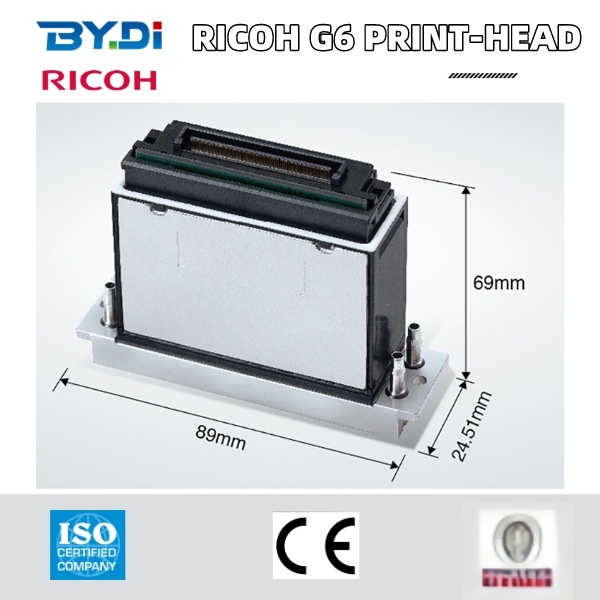
Modern inkjet printers equipped with advanced printhead technology optimize pigment ink performance. This technology allows for higher precision and speed, benefitting suppliers who require efficient and high-quality production capabilities.
Environmental Impact of Pigment Inks
Low-VOC and Eco-Friendly Options
Pigment inks are often free from volatile organic compounds (VOCs), reducing their environmental impact. Suppliers and factories are increasingly adopting eco-friendly pigment inks to align with sustainable practices.
Reduction in Waste Generation
Digital pigment printing generates minimal waste compared to traditional methods. This reduction is significant for factories focused on sustainability, offering an environmentally friendly alternative that meets industry demands.
Application in Fabric and Textile Printing
Advantages of Digital Pigment Printing
Digital pigment printing on textiles offers significant flexibility and design accuracy. Factories and wholesale suppliers utilize this method for its ability to produce intricate designs while maintaining the fabric's softness.
Textile Pigment Ink Characteristics
Textile pigment inks provide excellent wash and rub resistance, crucial for fabric durability. This makes them ideal for fashion designers and suppliers who prioritize longevity in their products.
Future Trends and Innovations in Pigment Inks
Development of Smart Inks
Emerging trends in pigment inks include smart inks capable of changing color based on environmental stimuli. Factories are exploring these innovations for new product lines and applications.
Use of Natural Pigments
Natural dyes and pigments are gaining attention for their sustainability. Wholesale suppliers are investigating these options to offer greener printing solutions to environmentally conscious consumers.
BYDI Provide Solutions
For businesses seeking reliable and high-quality printing solutions, BYDI offers pigment digital printing services that emphasize lasting quality and environmental responsibility. Our extensive range of wholesale and factory solutions is tailored to meet diverse printing needs, ensuring vibrant and durable prints every time. These solutions are designed to optimize performance, manage costs, and align with sustainable practices, providing a comprehensive printing strategy for today's competitive market.
User hot search: Pigment Digital Textile Printing