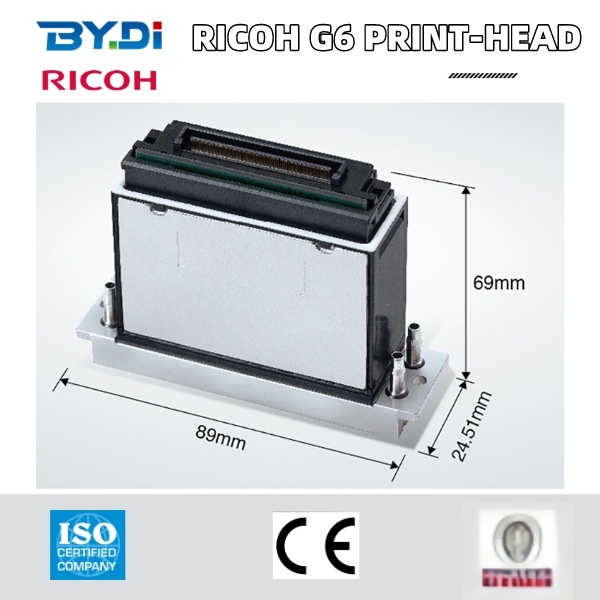


Understanding Ricoh Fabric Printer Models
When seeking to purchase a Ricoh fabric printer from an exporter, familiarity with the specific models and their capabilities is crucial. Ricoh offers a range of fabric printers suitable for different business scales, from small-scale operations to large industrial needs. Each model varies in terms of available functions, print capabilities, and suitable materials.
Key Features of Ricoh Fabric Printers
Ricoh fabric printers are known for their versatility and efficiency. They support both direct-to-garment (DTG) and direct-to-film (DTF) printing, allowing businesses to diversify their product offerings. This dual-functionality is crucial for businesses that aim to cater to a broad market.
Evaluating Print Quality and Speed
Print quality and speed are essential considerations for any printing business. Ricoh fabric printers are renowned for producing vibrant colors and sharp details on various fabrics. The print speed can significantly impact production efficiency, especially for high-volume orders.
Comparative Performance Metrics
When assessing print capabilities, examine the printer's resolution and speed metrics. Ricoh models offer competitive print speeds and resolutions that meet industry standards. Comparing these metrics against your production needs will ensure optimal machine selection.
Cost Implications and Budget Considerations
Investing in a fabric printer requires careful financial planning. The price range for Ricoh fabric printers varies, with entry-level models suited for smaller businesses and high-end models for larger operations. Consider both the initial purchase cost and the long-term operational expenses.
Budgetary Analysis for Different Scales
- Entry-Level: Suitable for startups, typically priced under $5,000.
- Mid-Range: Offers enhanced features and flexibility, costing between $10,000 and $20,000.
- High-End: Ideal for high-volume production, prices exceed $20,000.
Dual Printing Technologies: DTG and DTF
The ability to print on a variety of fabrics without changing machines makes Ricoh printers highly versatile. Understanding how to leverage both DTG and DTF printing will maximize your efficiency and market reach.
Benefits of Dual-Functionality
Dual-function printers allow businesses to switch seamlessly between printing methods, accommodating client needs and reducing downtime. This flexibility can be particularly beneficial for wholesale suppliers and manufacturers looking to expand their service offerings.
Ink Usage and Cost Efficiency
Efficient ink usage is a significant factor in the operational costs of fabric printers. Ricoh models are designed to optimize ink consumption, thereby reducing waste and cost per print. Assessing the cost per milliliter and potential savings is essential for budgeting.
Ink Management Systems
Ricoh printers utilize advanced ink management systems to minimize wastage. These systems are crucial for maintaining cost efficiency, particularly for businesses with high printing volumes.
Maintenance and Technical Support
Regular maintenance is essential for the longevity and performance of your printer. Understanding the maintenance requirements and available technical support services is a key consideration.
Maintenance Scheduling and Support Availability
Ricoh printers are designed for ease of maintenance, with many tasks automated or semi-automated. Ensure that your supplier provides adequate technical support and training to minimize downtime and maintain productivity.
Understanding Space and Installation Needs
Consider the spatial requirements of the printer to ensure proper installation. Ricoh printers vary in size, with some models designed for compact spaces, ideal for businesses with limited floor areas.
Installation Requirements
Evaluate the dimensions and installation process of the printer model. Efficient space planning includes considering the printer's operational space, including the area needed for maintenance and accessibility.
Software and Design Capabilities
Ricoh offers proprietary software for image editing and print management. Understanding these software capabilities is crucial for maximizing the printer's functionality and ensuring high-quality outputs.
Features of Ricoh Design Software
- Image Editing: Simple and intuitive tools allow for easy adjustments and enhancements.
- File Compatibility: Supports a variety of file formats, facilitating design versatility.
- User Interface: Designed for ease of use, even for beginners.
Market Availability and Exporter Relations
Building a relationship with a reliable exporter or supplier ensures consistent supply and support. Consider the geographical reach and reliability of your exporter, along with their ability to provide timely deliveries and after-sales support.
Assessing Exporter Reliability
Choose exporters with established reputations in the garment printing industry. Verify their track record for timely deliveries and customer service to ensure uninterrupted operations.
Warranty and Long-Term Reliability
A printer's warranty reflects its quality and the manufacturer's confidence in its longevity. Understanding the terms of the warranty can aid in risk management, providing assurance of support in case of technical issues.
Factors Influencing Warranty Coverage
- Duration: Typically ranges from 1 to 5 years, depending on the model.
- Inclusions: Covers parts, labor, and sometimes, software support.
BYDI Provide Solutions
BYDI specializes in offering comprehensive solutions for your printing needs, assisting in selecting the right Ricoh fabric printer model based on your unique requirements. We partner with reliable exporters to guarantee quality and service excellence. Our team provides end-to-end support, from budget planning and installation to maintenance and troubleshooting. Contact BYDI to ensure your printing operations are seamless and efficient.
User hot search: Ricoh Fabric Printer Exporter